Spofforth Park
Spofforth Park estate covers approximately 38.8 acres, of which 3.7 acres are common land/open space. To get planning permission for the site, one of the conditions placed on the builder was to plant trees, bushes and other vegetation in or around the common land. This planting is now a backdrop for further development to enhance the estate’s environment. Included in these developments are the planning of additional trees. New trees planted should have a function other than being aesthetically pleasing to the eye as outlined below. Careful planning is needed to maintain the balance between trees and open spaces.
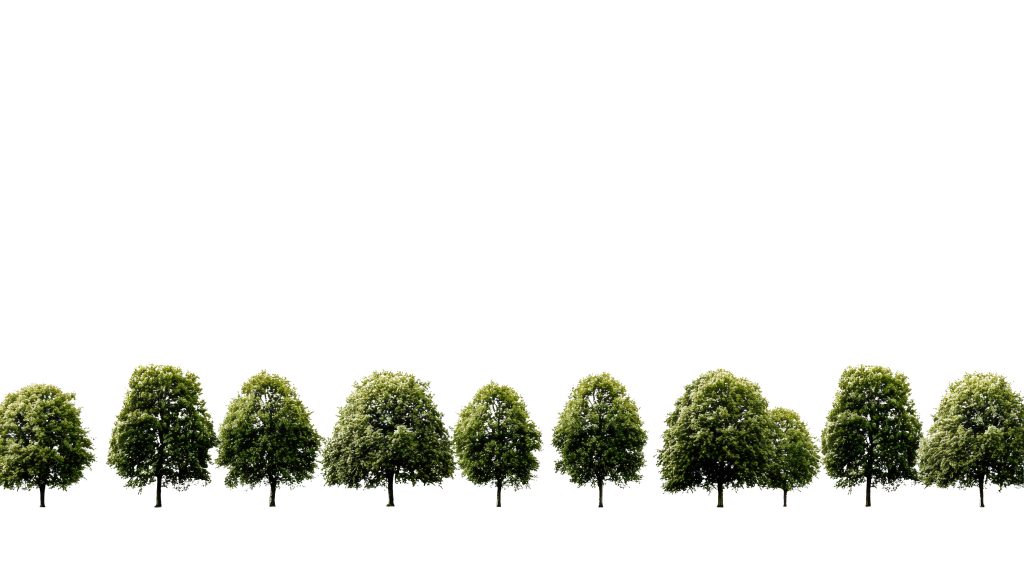
The case for more trees
● Trees are good for our mental health and wellbeing. Research has shown that chemicals called phytoncides released by trees strengthen our immune, hormonal, circulatory and nervous systems when we breathe them in. Being around nature has been shown to reduce anxiety and stress.
● Biodiversity. Moths, butterflies, bats and birds depend on trees to feed, breed and survive.
● Reducing pollution. Trees can reduce both outdoor and indoor pollution by as much as 50 per cent. Urban communities are disproportionately affected by pollution-related sickness and death.
● Climate change
Carbon
Trees are a main agent for reducing carbon dioxide from the atmosphere. Trees absorb carbon dioxide during photosynthesis. Much of the carbon is stored in the leaves which transfer to the soil when the leaves fall from the tree and rot down.
Rising Temperatures
A real challenge for the future is the continual rise in temperatures. The ten hottest years in the UK have been concentrated in the 21st century with the three warmest being 2022, 2023 and 2025. The warmest year on record was 2025 and the summer of 2025 was the warmest summer on record. There will be an increase in demand for shade. The shade from trees prevents the hard landscape, especially concrete and asphalt, from absorbing heat.
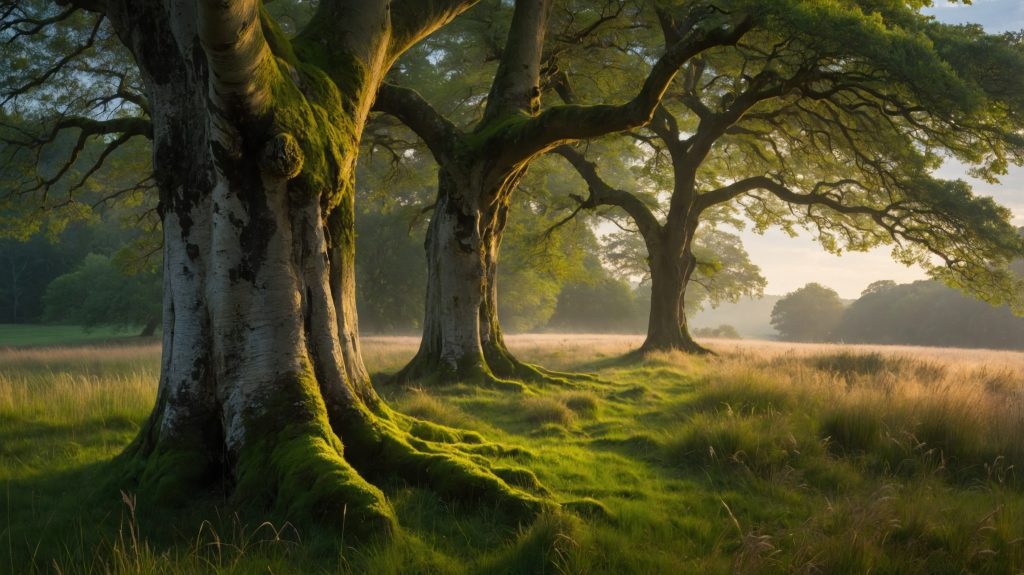
Trees. Where are we now?
The winter of 2025/26 saw a Spofforthpark Management initiative on tree planting.Two areas on the estate were identified for the planting of saplings supplied free by the Woodland trust. Groups of residential volunteers gave up their time to plant 420 saplings in the wild area along the cycle path and around the Balancing Pond.
| Species | Number |
| Hazel | 90 |
| Elder | 30 |
| Dog Rose | 60 |
| Crab Apple | 90 |
| Rowan | 45 |
| Blackthorn | 105 |
| Total | 420 |
The Woodland Trust estimates 85% -90% survival rate for newly planted saplings. A loss of 63-42 trees. The worst case scenario is 40% ie 252 trees surviving.
Possible outcome, two wooded areas on the estate
Ezart Avenue Project 2 Hedging
Choosing the right tree for the right place
Barry Curtis April 2026